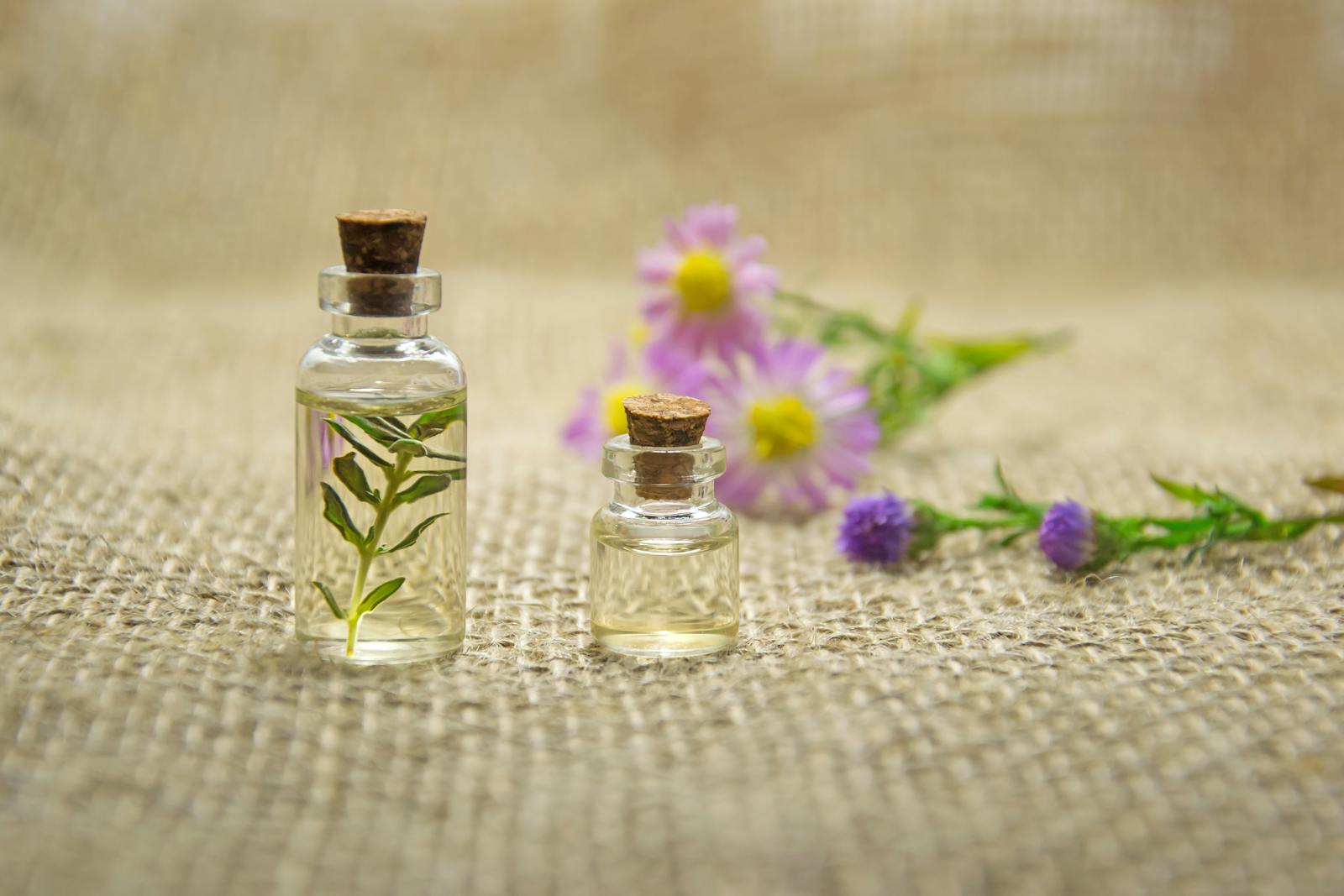
Oils appear in many traditional self-care practices because they combine preparation, touch, and time.
They carry plant material and scent. They create glide for massage. They encourage a person to slow down long enough to notice skin, muscles, joints, temperature, and comfort. In many households, oiling has been part of care long before wellness became a commercial category.
Understanding oil-based care begins with an important distinction: not every product called an oil is the same kind of preparation.
Carrier oils, infused oils, and essential oils
These categories are often grouped together online, but they differ significantly.
- Carrier oils are fixed oils such as sesame, coconut, almond, or other plant oils used as a base.
- Infused oils are carrier oils prepared with herbs so that selected plant constituents and aromas move into the oil.
- Essential oils are highly concentrated aromatic materials produced through distillation or other specialized methods.
An essential oil is not simply a stronger version of an infused oil. It has different concentration, handling, and dilution requirements. A topical oil is also not automatically appropriate for ingestion. The product label and intended route of use must be followed exactly.
Why oil changes the nature of a routine
An oil is more than an ingredient. It is a format that shapes how care is carried out.
Applying oil requires contact and a certain pace. The hands are involved, the area is observed, and the routine has a clear beginning and end. This can make a practice feel more deliberate than taking a product without reflection.
In Ayurvedic traditions, oil application may appear within broader routines involving warmth, bathing, rest, movement, or professional treatment. Removing one step from that larger context can make the practice seem simpler than it is. The type of oil, area of application, timing, duration, and individual suitability may all be relevant.
The base oil matters
Base oils differ in texture, aroma, absorption, stability, and traditional context. A light oil and a dense oil do not create the same experience. Climate and season can also affect how an oil feels on the skin.
When evaluating a product, look for:
- The exact base oil or blend
- Whether the oil is refined, cold-pressed, or prepared by another method
- The botanicals added to it
- Whether fragrance or essential oils are included
- The intended area and method of use
- Storage and expiry instructions
Avoid assuming that a familiar ingredient name guarantees suitability. Nut-derived oils, fragrances, and botanical additions may matter for people with allergies or sensitivities.
Herbal infusion is a preparation method
An herbal oil should identify more than the hero ingredient on the front label. The preparation may include several botanicals, and the useful information is often found in the complete ingredient list.
Traditional oil preparation can involve controlled heating, repeated processing, or the use of water-based herbal preparations alongside the oil. Commercial products may use different processes. Neither a traditional label nor a modern one tells the full story without preparation details and quality controls.
Questions worth asking include:
- Which plants and plant parts are used?
- Are amounts or proportions available?
- How is the infusion or extract prepared?
- Is the product intended for everyday self-care or professional use?
- Are there directions about duration, heat, bathing, or sun exposure?
Clear answers make the product easier to use as intended.
Storage protects quality
Oils are affected by air, light, heat, moisture, and contamination from handling. A strong change in smell, color, or texture can indicate deterioration, although not every quality issue is visible.
Follow the manufacturer's storage instructions. In general, keep the container tightly closed, avoid introducing water, use clean hands or an applicator, and do not keep the bottle in prolonged heat or direct light unless the label specifically permits it.
Expiry information matters. A traditional ingredient does not make a preparation exempt from stability and hygiene.
Approach topical use methodically
For a new topical preparation:
- Read the full ingredient list and directions.
- Confirm that the product is intended for the area you plan to use it.
- Follow any patch-test or dilution instructions on the label.
- Begin with the stated amount rather than assuming more is better.
- Avoid broken or irritated skin unless directed by a qualified professional.
- Stop and seek advice if irritation, swelling, breathing difficulty, or another concerning reaction occurs.
Do not add heat, cover the area tightly, or combine several topical products unless the directions or a professional recommendation support doing so. Heat and occlusion can change how a topical preparation behaves.
Touch is part of the experience
Massage and oil application are often discussed as though the oil alone creates the entire effect. In practice, pressure, pace, duration, temperature, position, and the person applying it all contribute to the experience.
For everyday self-care, pressure should remain comfortable. A painful area, recent injury, unexplained swelling, skin change, or reduced movement deserves appropriate assessment rather than forceful massage.
The goal of a routine is not to prove endurance. It is to apply care with attention.
Observe more than scent and texture
Sensory qualities matter, but a useful review goes further. Record:
- Where and when the oil was used
- The amount and duration
- Any heat, massage, or bathing involved
- Immediate skin comfort
- Changes noticed later that day or the next day
- Any other products or medicines used at the same time
This information makes it easier to identify patterns and communicate clearly during consultation.
When to seek guidance first
Consult a doctor before introducing an unfamiliar or concentrated preparation during pregnancy or nursing, for children, before a procedure, when managing a skin or health condition, or when the intended use relates to persistent pain, swelling, injury, or reduced movement.
People with allergies or highly reactive skin should review all ingredients carefully. Essential oils and complex fragrance blends require particular attention because concentration and dilution matter.
Traditional practice with modern clarity
Oil-based self-care can be practical, sensory, and culturally meaningful. Responsible use depends on knowing what kind of oil is being used, how it was prepared, what the label directs, and whether the individual situation calls for professional assessment.
Ellie's Botanics presents oil traditions through that complete framework. The experience of touch and routine is respected, while quality, storage, concentration, and suitability remain visible parts of the conversation.